My Favorite Teacher Call Me Mama Design
As an experienced embroidery designer and product reviewer, I’ve seen my fair share of digital embroidery files. Some are just okay, while others bring a spark of creativity and practicality to your projects. My Favorite Teacher Call Me Mama Design is one of those files that immediately catches the eye with its warm, personal vibe. Let me walk you through how this design stands up in real-world applications and what to consider before stitching it into your next project.
A Heartfelt First Impression
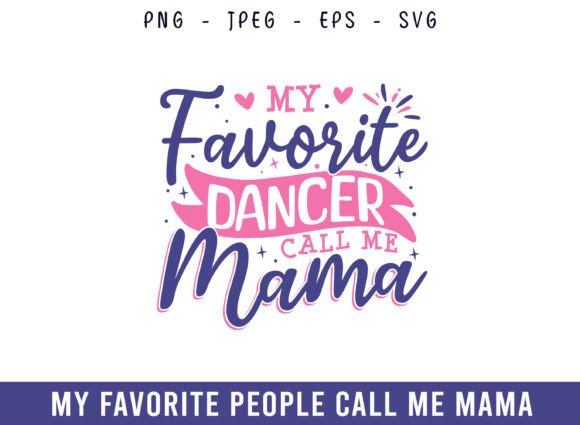
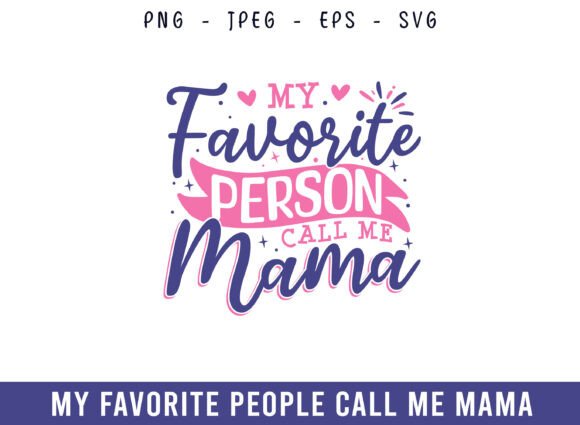
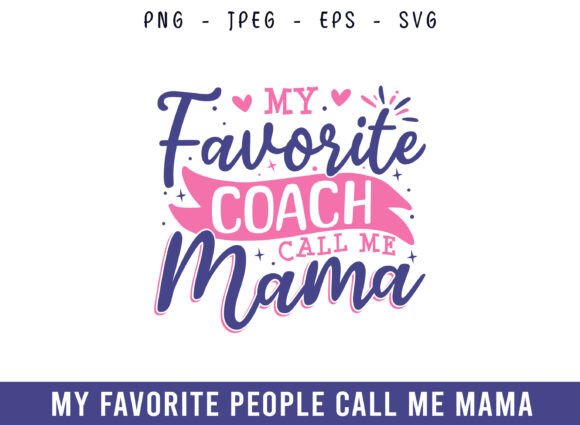
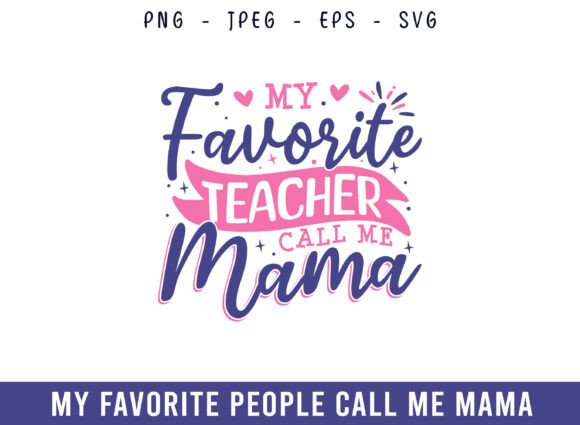
The first thing I noticed about My Favorite Teacher Call Me Mama Design is the emotional resonance it carries. The phrase “Call Me Mama” feels inviting and nurturing—perfect for Mother’s Day or any heartfelt gift. The layout is clean, with thoughtful spacing between elements, which helps maintain readability even when scaled down. It uses a mix of bold text and soft, organic shapes that give it a handcrafted feel without being overly complex.
This design naturally fits into personalized gifts, custom apparel, and boutique-style items. Whether you're making a tote bag for a teacher or a holiday gift for a mom, it brings a sense of sincerity and care. As someone who values both aesthetics and functionality, I appreciate that it doesn’t sacrifice one for the other.
Design Structure and Scalability
Made with 100 vector shapes, this design is fully re-sizable, which means you can adapt it to different products without losing quality. That flexibility is essential for crafters working on multiple item types—from large sweatshirts to small embroidered patches. The detail level is moderate, so it works well for both quick projects and more intricate ones where customization is key.
Real-World Embroidery Performance
I recently used My Favorite Teacher Call Me Mama Design for a batch of custom embroidered tote bags for a local school’s Mother’s Day event. The design looked great in the printable mockup provided, but the true test came when I transferred it onto fabric. Here’s how it performed across various mediums:
- Tote Bags: The design stitched beautifully on cotton canvas. The contrast between the thread colors and the light-colored fabric made the message pop, and customers loved the soft, approachable look.
- Sweatshirts & T-Shirts: On both dark and white garments, the color scheme was easy to adjust. The text remained legible after resizing, and the overall composition felt balanced and modern.
- Baby Clothes & Aprons: When downsized for smaller items like baby tees or aprons, the design still held its charm. However, I had to reduce the stitch density slightly to avoid puckering on delicate fabrics.
- Patches & Caps: For curved surfaces like caps, the design required some manual tweaking to ensure alignment. On patches, the structure worked well with satin stitches around the edges, giving a polished finish.
- Kitchen Towels & Pillow Covers: The design added a nice decorative touch to these household items. Its friendly tone complemented cozy, homey themes perfectly.
Visual Clarity and Stitching Precision
One of the strengths of this design is its visual clarity. The lettering is bold enough to read from a distance, yet retains a handwritten warmth that makes it feel genuine. The use of fill and running stitches is balanced, allowing for a smooth stitch-out even when printed at larger sizes.
However, if you’re planning to use this as an applique design, pay attention to the stitch directions and transitions between layers. The file includes clear lines for cutting and outlining, which simplifies the applique process. Still, always do a test run to confirm how the threads behave with your specific machine settings.
Where to Use This Design with Caution
While versatile, there are certain situations where My Favorite Teacher Call Me Mama Design might need extra attention:
- Small Hoop Sizes: If you plan to embroider this on tiny items like keychains or earrings, be prepared to simplify the design or resize it carefully to avoid distortion.
- Textured Fabrics: Stitching on denim, flannel, or other thick materials may cause the design to lose some of its softness unless you adjust the tension or add stabilizer.
- Stretchy or Thin Fabrics: Without proper support, stretchy materials can warp the design. Thin fabrics may require a backing stabilizer to prevent transparency issues.
- Dark Fabric Backgrounds: Though the design mentions it's easy to change colors for dark t-shirts or mugs, double-check the thread palette to ensure visibility. White or metallic threads often work best here.
- Curved Surfaces: When using this for caps or curved patches, make sure to hooping techniques and stitch compensation are applied to keep the text aligned and readable.
- Dense Stitch Areas: While the design isn’t overly dense, if you layer it with additional elements (like borders or floral accents), monitor stitch coverage to avoid over-stitching and potential damage to the fabric.
Commercial and Handmade Applications
For Etsy sellers and craft business owners, this design can elevate your handmade product line with minimal effort. It adds a personal touch that customers respond to, especially during holidays or special events like Mother’s Day.
When I used it in a small shop’s sweatshirt embroidery collection, it increased buyer engagement. The phrase resonated with teachers, parents, and caregivers alike. It also helped maintain brand consistency by offering a signature style that could be adapted across different items and colors.
Designer Tips for Real Projects
Here are some practical tips to help you get the most out of My Favorite Teacher Call Me Mama Design:
- Test on Scrap Fabric: Always stitch the design on a scrap piece before moving to the final product. This lets you see how the stitches lay and whether adjustments are needed.
- Check Thread Color Contrast: Especially for dark backgrounds, choose thread colors that will stand out clearly. A good rule of thumb is to use at least two contrasting shades for the main text.
- Review Stitch Density: Lower stitch density can help prevent puckering on thin or stretchy fabrics. Conversely, higher density may be necessary for durability on frequently washed items like tea towels or aprons.
- Confirm Hoop Size: Since the exact hoop size isn’t listed, measure your design after scaling to ensure it fits comfortably within your chosen hoop.
- Inspect Small Details: The corners and tiny letters in phrases like “Mama” or “Teacher” should be checked closely to ensure they stitch cleanly and don’t become distorted.
- Use Proper Stabilizer: Especially for stretchy or slippery materials, using a cut-away or tear-away stabilizer can make all the difference in stitch integrity.
- Test in Black and White: Before committing to colored threads, try a black-and-white version to see how the design holds up visually without color influence.
- Compare Light and Dark Backgrounds: The design adapts well, but subtle differences in lighting can affect perception. Test on both to find the optimal thread combination.
- Check Licensing Terms: If you're planning to sell finished products or digital embroidery files, verify the licensing agreement to ensure it allows commercial use.
Adding Value to Your Products
What sets My Favorite Teacher Call Me Mama Design apart is its ability to enhance the emotional value of your handmade product. It doesn’t just look good—it tells a story. Customers connect with that, and it can significantly increase the perceived value of your item.
In terms of customer trust, the clean and professional look of the design suggests high-quality craftsmanship. Even if you're a new Etsy seller, using such a design can help build credibility quickly. The same goes for small shop product lines: this design can serve as a reliable asset for branding and seasonal collections.
Final Thoughts for Creative Makers
Embroidery is not just about transferring a design onto fabric—it’s about creating something meaningful and lasting. My Favorite Teacher Call Me Mama Design checks many boxes in that regard. It has a natural place in custom apparel, holiday gifts, and boutique-style items, and it scales well for a variety of embroidery project needs.
But remember, no design is perfect for every scenario. You’ll want to take time to evaluate how it behaves with your specific tools, materials, and creative goals. With a little experimentation and attention to detail, this design can become a staple in your crafts and graphics library.
If you're looking for a digital embroidery file that balances sentiment and simplicity, this one is worth considering. Just go in with a clear understanding of your target audience and the materials you'll be using. The result? A finished product that feels authentic, looks professional, and resonates deeply with those who receive it.